Gold, Bitcoin, and the Search for Better Money
 5 min read
Gold, Bitcoin, and the Search for Better Money
In the previous article, Why Gold Lost Its Monetary Role, I argued that societies moved away from gold because governments preferred flexibility over hard constraints.
Money has never been static.
Across history, societies have relied on shells, silver, gold, paper notes, and now digital bank balances. Bitcoin is the latest contender, and it comes with a familiar debate: some treat it as the future of money, others dismiss it as speculation. The practical question is simpler than either camp makes it sound.
What job is money supposed to do?
Money’s Job Is Coordination
Money is not a wealth machine. It is a shared measuring and settlement system. It helps people trade, sign contracts, and plan over time using the same unit.
For that system to work, the unit has to meet a few basic requirements:
• Others have to be confident it will still be usable tomorrow.
• It has to be hard to counterfeit or otherwise undermine.
• Its value cannot swing so wildly that contracts become impossible to price.
Gold earned those properties over long stretches of history. Bitcoin is trying to earn them fast.
What Gold Got Right
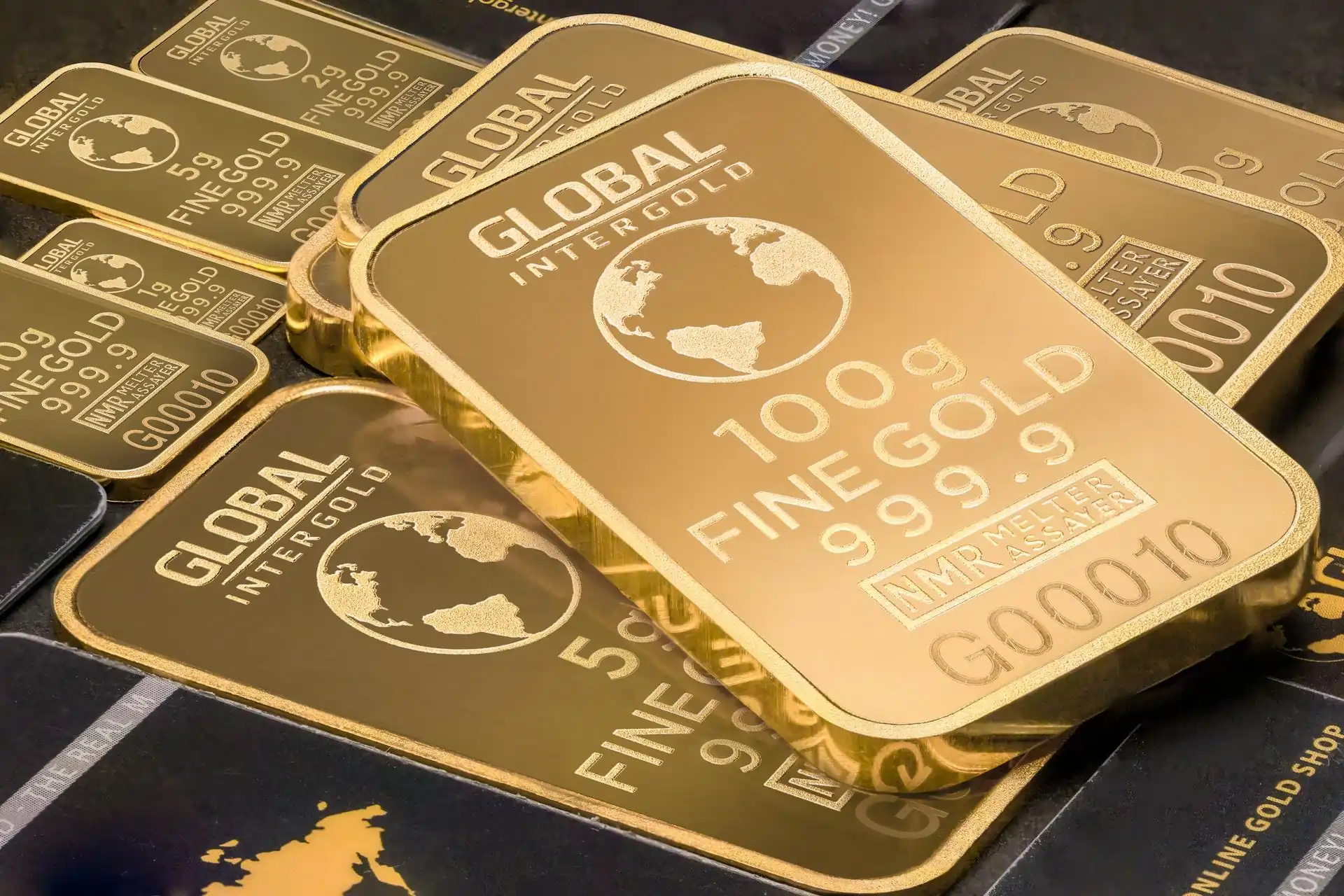
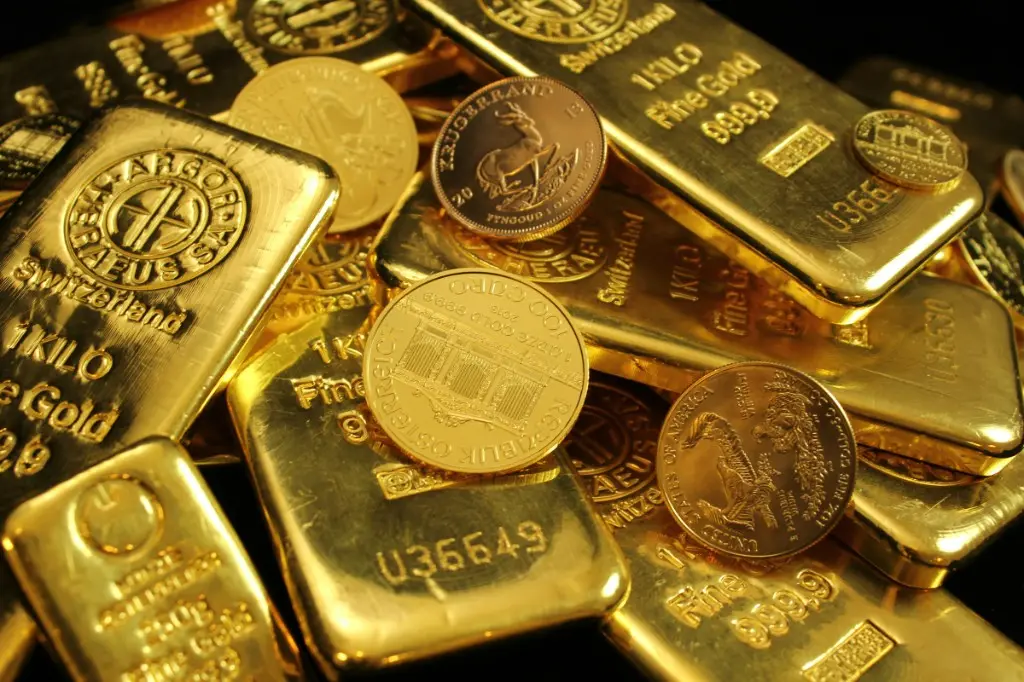
Gold became a monetary anchor because scarcity met reliability.
No government could print it. Its supply grew slowly, and the unit’s discipline helped keep inflation from running away year after year. That was not magic economics. It was a mechanical limit that forced monetary policy to live within a real constraint.
Gold’s weakness was logistics. It is heavy, costly to store, and awkward for everyday payments. Most people did not carry around bullion.
Modern banking solved the practical problem by moving commerce onto claims, receipts and deposits redeemable for gold. Over time, those claims detached from the metal and became their own world of money: first partially, then fully. Once that happened, the anchor was no longer the metal itself. It was whatever policy and confidence held up the new system.
What Bitcoin Improves
Bitcoin fixes several things gold could never optimize for daily life.
It transfers globally in minutes. It can be divided into very small units. Ownership can be verified on a public network without asking a central gatekeeper to approve the transaction. And it is designed to be scarce on a rule-bound basis, which is why people call it “digital gold.”
The comparison works on one key dimension. Both are scarce assets outside direct government control, and both attract people who want alternatives to fiat money.
The difference is what happens next: whether scarcity turns into a stable unit of account that households and businesses can actually use.
Can Bitcoin Function as Money?
Money is most useful when people are willing to write wages, rents, mortgages, and multi-year contracts in it. That requires a unit that does not just behave well at the extremes. It has to behave well enough most of the time.
Bitcoin has been volatile since launch. Its purchasing power can swing sharply in relatively short periods. That volatility is part of why the asset is interesting to investors: it offers opportunity. It also makes it a poor fit for a broad monetary role. A builder is not excited about a “maybe” unit when costs, labor, and financing must be priced in advance.
Volatility is only part of the problem. Societies choose the monetary yardstick. Micronesia settled on stone wheels. Prisoners chose cigarettes. Different civilizations converged on gold. In each case, a group already existed before the unit of account did. The yardstick emerged from shared need and repeated use.

The people of Yap (an island in Micronesia) used giant limestones as money. The rare stones were transported from distant islands at great cost.
Bitcoin runs the process in reverse. It began as an algorithm and a fixed digital supply, then went looking for a society to adopt it. As my former professor Reuven Brenner argued, technology creates users, not societies. Societies create monetary standards. Gold earned its role because many civilizations, over long periods, kept choosing it as a reference. Bitcoin has not earned that same social convention.
This does not mean Bitcoin failed. It means Bitcoin has mostly behaved like an investment asset rather than a stable settlement unit.
What This Means for Investors
Bitcoin has already influenced the world in real ways: better payment rails, improved custody tools, and more attention on digital ownership and settlement.
Whether it becomes a global monetary standard is still open.
Gold also matters, even after it stopped being the official anchor of the system. Central banks still hold it, and investors still use it as a reference point and a hedge when trust in monetary policy weakens.
Gold and Bitcoin do not have to be an either-or bet. They play different roles:
• Bitcoin: a technological model of scarcity that currently behaves more like a speculative asset than a stable unit of account.
That last point is the reason Bitcoin is not in TiltFolio’s systems today. TiltFolio Balanced and TiltFolio Adaptive are built around portfolio roles that stay more consistent across regimes. Bitcoin’s volatility is still large enough that, in practice, it tends to behave like speculation from a single position rather than a dependable component of a diversified, money-aware process.
If Bitcoin’s market behavior matures over time, that assessment can change.
Today, Bitcoin behaves as speculation first and monetary function second. Gold remains the monetary reference people reach for when they want to test whether the fiat system still holds together.